How to Practise English Speaking Alone at Home
🎙️ Stop reading and start speaking! Study live with Toby, our free AI English Tutor on Telegram.
Nobody told me talking to a pressure cooker would improve my English. But for about four months in my second year of learning, that’s exactly what I did. Every morning while making chai, I’d narrate what I was doing out loud — in English — like some kind of very boring cooking show host. “Now I’m adding the ginger. The water is boiling. I think I’ve added too much sugar. Again.” My mother thought I’d lost my mind. My English? It actually started getting better.
Practising English speaking alone at home feels silly at first. I know. But here’s the truth nobody in your English class will tell you — most of your speaking improvement is never going to happen in a classroom. It’s going to happen in small, private, slightly embarrassing moments when no one is watching. You just have to know what those moments should look like.
Why Practising Alone Actually Works
Your brain is surprisingly easy to trick. It doesn’t fully separate “real conversation” from “rehearsed speech” when it comes to building language habits. Speaking out loud — even to yourself — trains the same muscles, the same rhythm, the same breath control that real conversations need. Reading English silently does none of that.
Here’s a question worth thinking about: have you ever perfectly understood an English sentence when you read it, but completely frozen when you tried to say something similar out loud? That gap is real. Reading and speaking use different parts of your brain. And the only way to close that gap is to actually open your mouth.
Roughly 65% of English learners say their biggest problem is speaking — not grammar, not vocabulary, not listening. Speaking. And the reason is simple. Most people study English but never practise producing it. Solo speaking practice fixes exactly that, and you don’t need a partner, a class, or even a good internet connection to start.
Practising alone removes the fear of being judged — which is the single biggest thing that stops people from speaking.

“Four Ways to Practise English Speaking Alone at Home”
Okay so “just speak more” is the most useless advice ever given to a language learner. Speak more how? To whom? About what? Here’s what I actually did — specific enough that you can start today.
The mirror monologue. Stand in front of any mirror and talk for two minutes straight on any topic you care about. Your commute, a movie you watched, why your neighbour’s dog is annoying. Don’t stop when you forget a word — describe around it. That skill of working around a missing word is one of the most useful things in real conversation. And honestly, two minutes feels like forever the first time. That awkward silence you fill? That’s exactly where your fluency grows. Start with two minutes and build up to five when you’re ready.
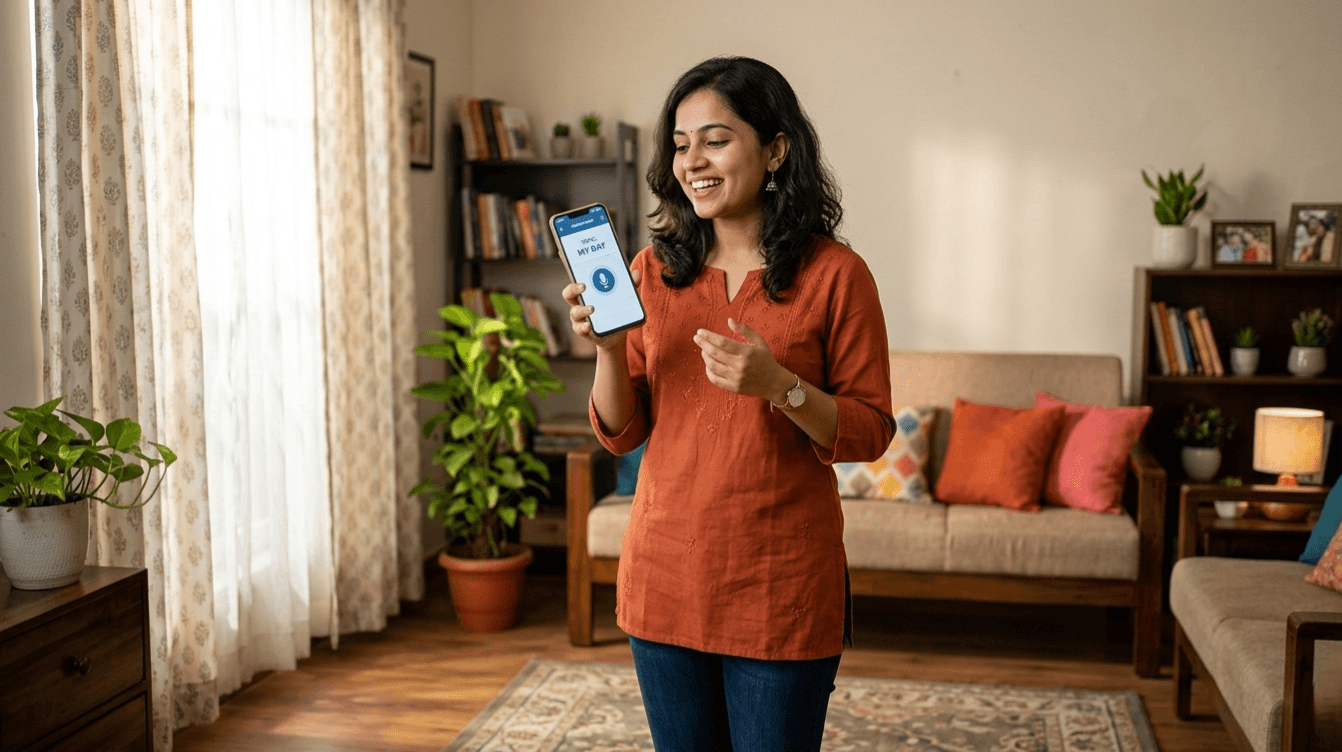
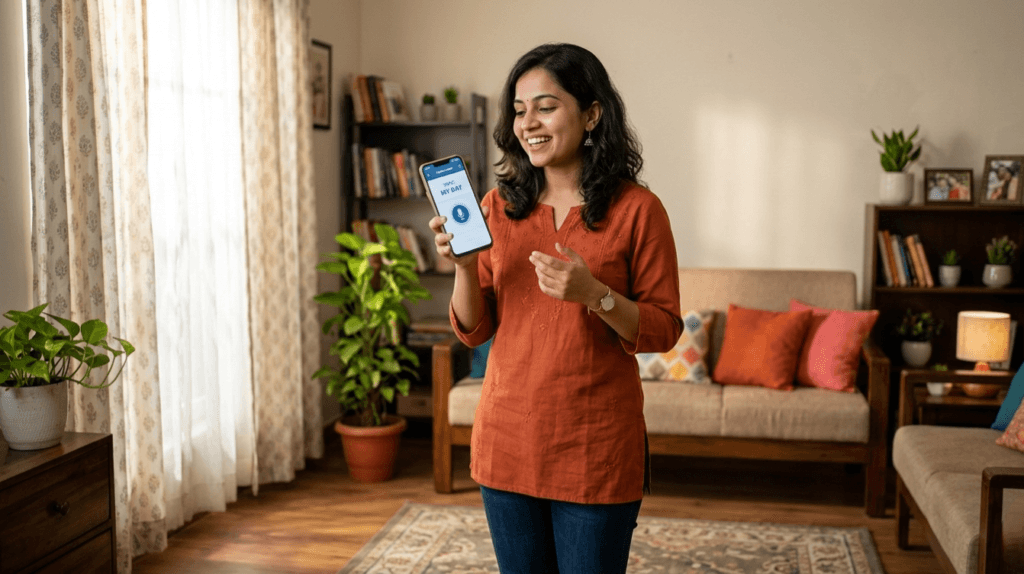
Self-narration through the day. This is the one that helped me most, if I’m being honest. Just narrate your actions in English as you do them. Getting dressed, washing dishes, walking to the bus stop. It sounds ridiculous. It works because it forces your brain to produce English in real time, not just recall rehearsed phrases. The best part — nobody around you even needs to know you’re doing it.
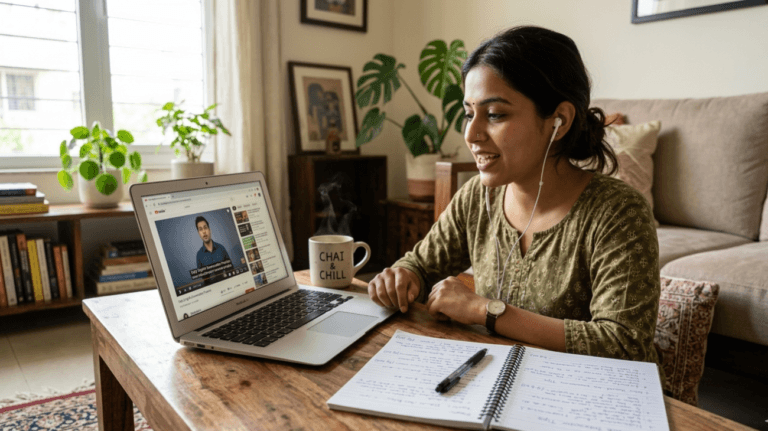
Shadowing. Find a short YouTube video or podcast clip in English — something you actually enjoy. Play one sentence, pause it, then repeat it out loud. Not just the words — copy the exact rhythm, the pauses, the emotion behind it. Do this for even ten minutes a day and you’ll notice your sentence flow start to change within a few weeks. A good rule: if you understand at least 70% without pausing, it’s the right level for shadowing.
Recording yourself. I put this off for an embarrassingly long time because hearing my own voice made me want to disappear. But when I finally did it, I caught things I had no idea I was doing — swallowing word endings, rushing through difficult sounds, pausing in the wrong places. Start with just thirty seconds. Record yourself reading one paragraph out loud, then play it back and listen for one thing to fix. You don’t need to be harsh on yourself — just notice, adjust, and go again. You genuinely can’t fix what you can’t hear.
When Talking to Yourself Stops Being Enough
Solo practice is powerful but it has a ceiling. Your mirror doesn’t correct you. Your pressure cooker won’t tell you that your pronunciation of “comfortable” has been wrong for three years. At some point, you need something that actually responds to you — something unpredictable that forces you to think on your feet rather than recite what you’ve rehearsed.
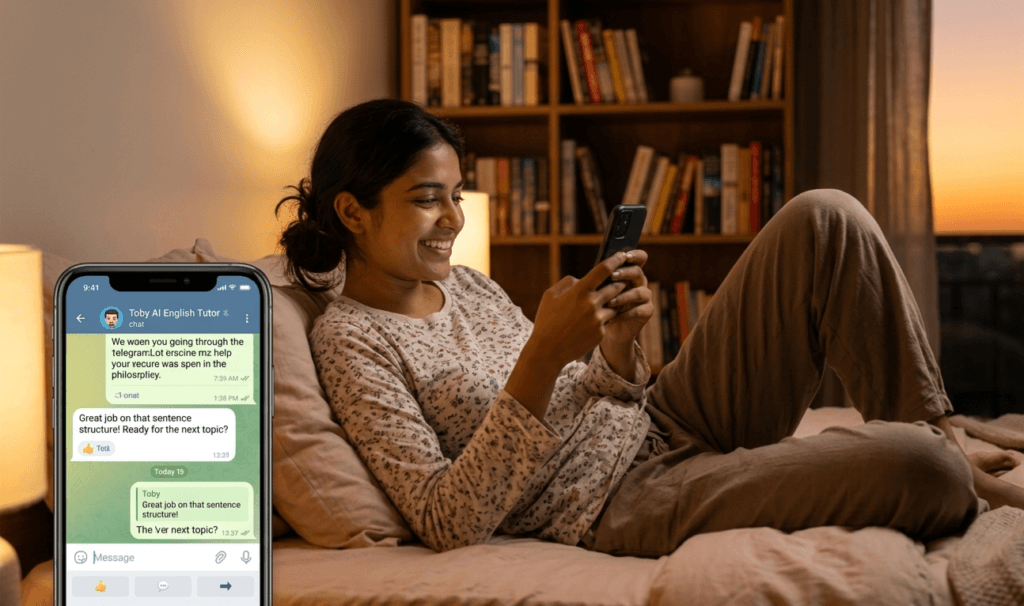
That’s the gap Toby fills for me. Toby is an AI English tutor on Telegram and what makes it different from just practising alone is that it talks back. You can do real back-and-forth conversations, IELTS speaking practice, job interview roleplays — and it responds to what you say, not a script. It’s not a textbook exercise. It feels more like texting a very patient, very knowledgeable friend who never gets tired of your questions. There’s a free tier to get started, and the premium version is worth it once you’re serious. Find Toby at t.me/TalkToToby_bot.
Start Small. Start Today. Seriously.
You don’t need to block out an hour. You don’t need a study plan, a notebook, or a new app. Pick one thing from this post and do it in the next ten minutes. Narrate yourself making tea. Talk to your mirror for two minutes about literally anything. Record thirty seconds of yourself reading a sentence out loud and play it back.
Do it badly. Do it awkwardly. Do it while feeling slightly ridiculous. That feeling means you’re actually doing something new, and new is exactly where growth happens.
Practising English speaking alone at home isn’t the finish line — it’s the training ground that makes every real conversation easier and less scary.
And here’s a question I’ll leave you with — what’s one topic you actually care about, in any language, that you could talk about for two minutes right now? Find that topic. Talk about it in English. Start there. You already know more than you think you do.






3 Comments